
Why improving newborn male circumcision care matters globally.
For far too many families around the world, HIV is part of everyday life.
In 2024, an estimated 40.8 million people were living with HIV worldwide. Another 1.3 million people acquired HIV, and approximately 630,000 people died from AIDS-related illnesses.¹
The burden is not distributed equally. More than 60% of people living with HIV are in sub-Saharan Africa, and approximately half of all new HIV infections worldwide occur there.¹
These numbers are one of the reasons SafeCirc® exists.
Male circumcision and HIV prevention
Male circumcision is one of the few surgical procedures proven through randomized controlled trials to reduce a man's risk of acquiring HIV through heterosexual exposure.²˒³˒⁴
Three landmark randomized trials conducted in South Africa, Kenya, and Uganda demonstrated reductions in female-to-male heterosexual HIV acquisition of approximately 50–60% among circumcised men.²˒³˒⁴
Based on this evidence, the World Health Organization (WHO) and the Joint United Nations Programme on HIV/AIDS (UNAIDS) have recommended voluntary medical male circumcision as an important component of comprehensive HIV-prevention programs in settings with generalized heterosexual HIV epidemics.⁵˒⁶
Circumcision does not eliminate the possibility of acquiring HIV, and it does not replace other proven HIV-prevention strategies. But unlike prevention measures that must be taken repeatedly, circumcision is a one-time intervention that provides lifelong benefit.⁶
A disease that still changes lives
There is currently no cure for HIV.⁷
Modern antiretroviral therapy has transformed HIV from an infection that was frequently fatal into a chronic, manageable disease for people who can access and remain on effective treatment. People receiving successful treatment can live long and healthy lives.⁷
But treatment is generally lifelong. It requires continued access to medication, medical care, laboratory monitoring, and health systems capable of reliably providing them.⁷
In parts of the world where HIV remains highly prevalent and access to health care and medication may be less certain, prevention matters enormously.
Every newborn deserves the same standard of care
What does the risk of HIV mean for a family deciding how best to protect their child? In its 2025 Global AIDS Update, UNAIDS cited a Global Burden of Disease study estimating that, based on HIV infection rates in 2021, the lifetime probability of acquiring HIV in sub-Saharan Africa was 8.7%, or nearly one in eleven people.⁸˒⁹ That figure is an average for the whole region, across women and men, and an individual boy's risk varies considerably by country and community. But it helps explain why families in higher-burden settings may choose circumcision for a newborn son as one part of protecting his long-term health, and the trial evidence gives that choice a clear medical basis.
It also raises a question for everyone who provides the procedure: what standard of care should these newborns receive?
At SafeCirc®, we believe it should be the standard any of us would expect for our own children, wherever the child is born. Every newborn deserves a trained provider, effective pain control, a standardized technique, sterile conditions, appropriate follow-up, and careful tracking of complications and outcomes.
The device matters too. Equipment designed specifically for newborn circumcision, one that shields the glans and lets the provider confirm tissue position before cutting, helps make a safe and accurate result the expected outcome in every setting.
And it means continually asking a simple question: How can we do this better?
The scale of the challenge
| 40.8 million | people were living with HIV worldwide in 2024.1 |
| 1.3 million | people acquired HIV in 2024.1 |
| 630,000 | people died from AIDS-related illnesses in 2024.1 |
| More than 60% | of people living with HIV were in sub-Saharan Africa.1 |
| 50% | of all new HIV infections worldwide occurred in sub-Saharan Africa.1 |
| ~60% | reduction in men's risk of heterosexually acquired HIV associated with medical male circumcision.2,3,4 |
The opportunity to begin earlier
The global commitment to male circumcision for HIV prevention is extraordinary. Between 2008 and 2023, approximately 37.5 million voluntary medical male circumcisions were performed in priority countries in eastern and southern Africa, averting an estimated 890,000 new HIV infections.⁸ This represents one of the largest surgical public-health initiatives ever undertaken for HIV prevention.
When families choose circumcision for their sons, there are important advantages to providing that care during the newborn period. Newborn male circumcision is generally a simpler and less resource-intensive procedure than circumcision performed later in life,¹⁰˒¹¹ and performing it early allows the child to receive the potential health benefits of circumcision throughout his lifetime, including a lower risk of urinary tract infections, which matters most during the first year of life.¹²
Our commitment
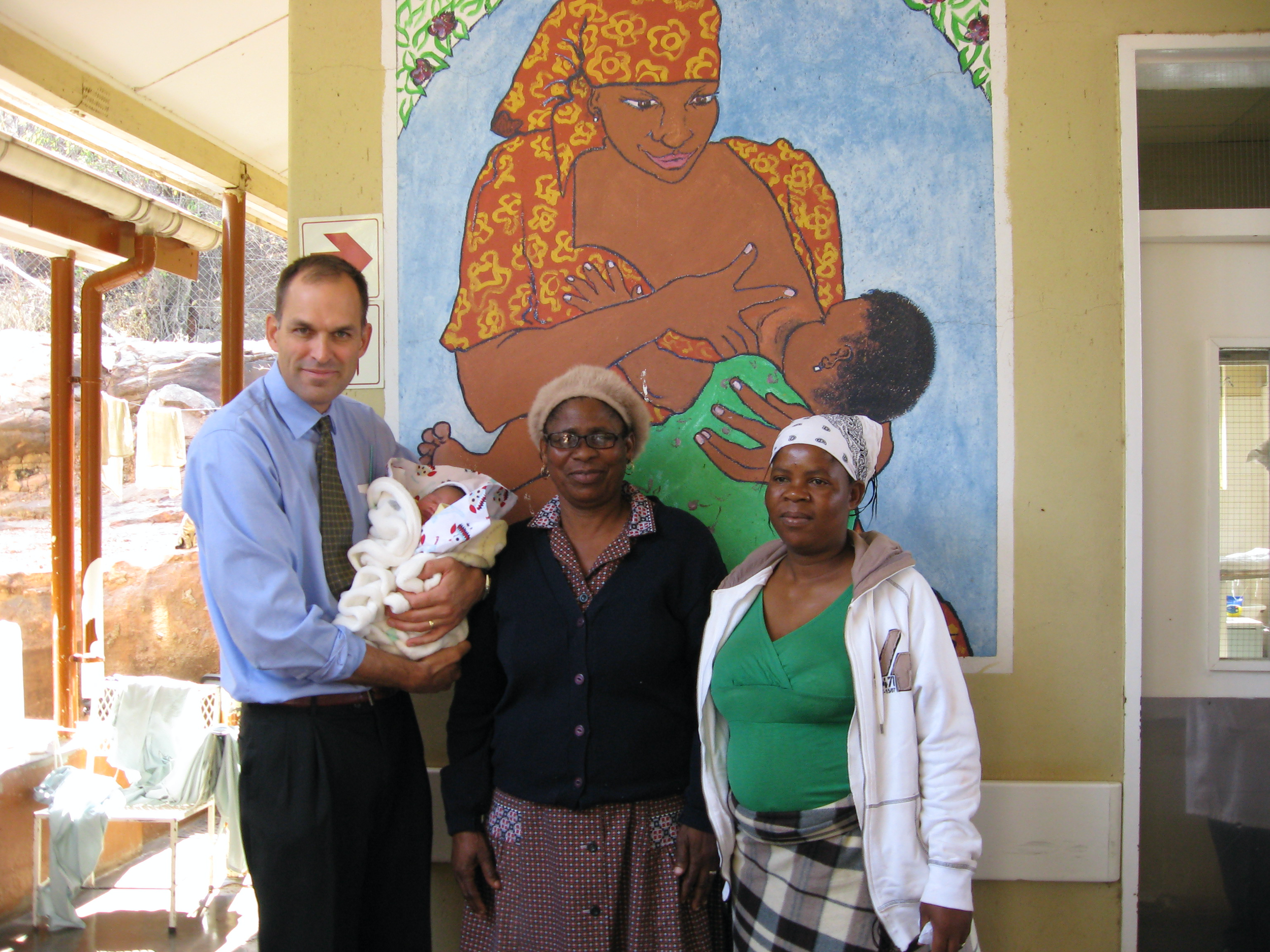
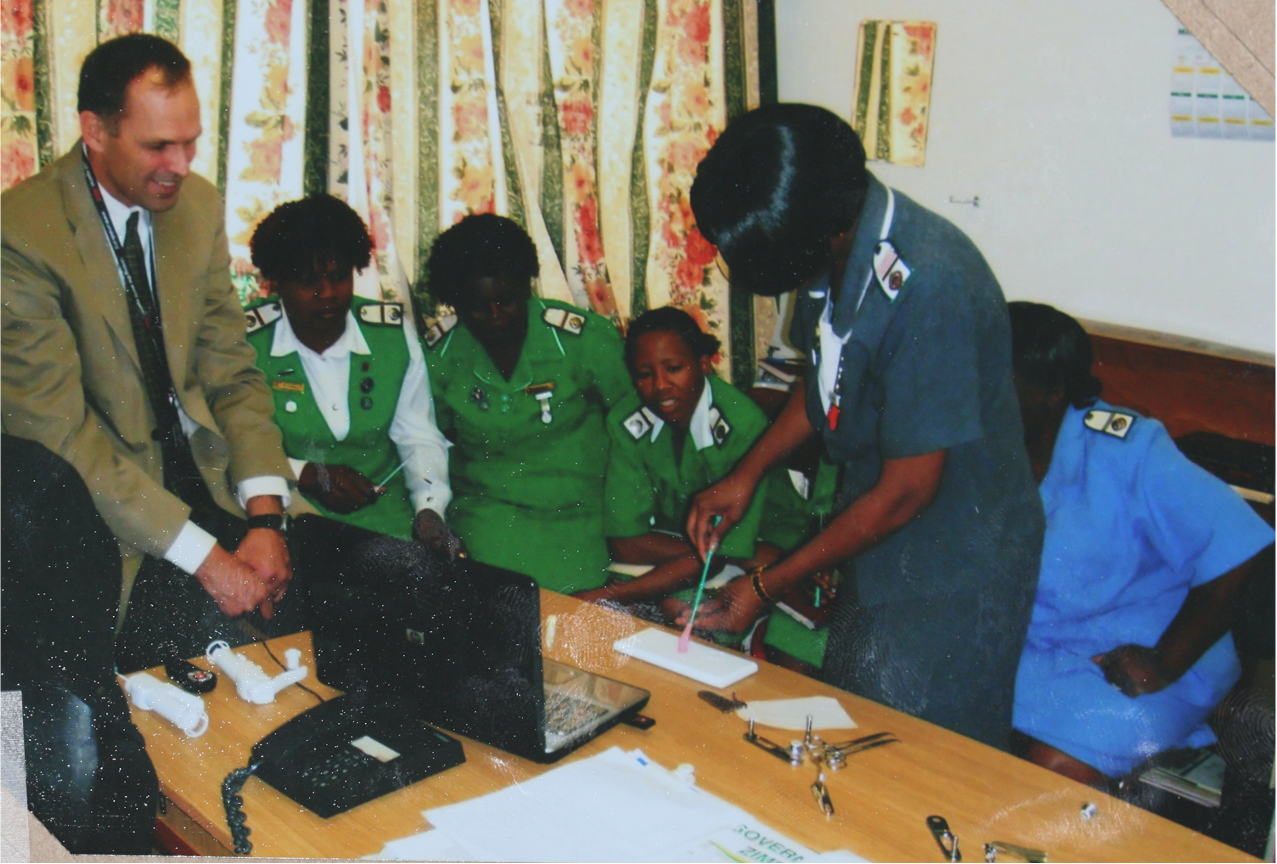
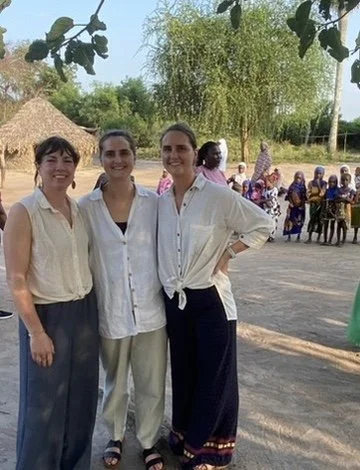
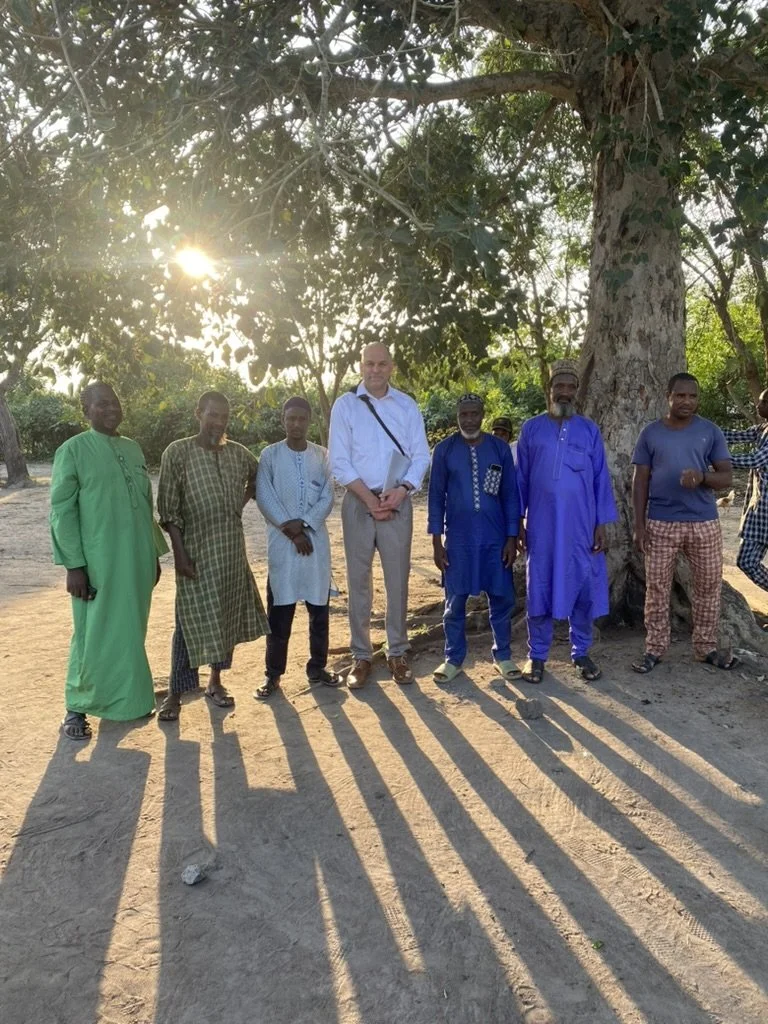
SafeCirc® was built around the belief that newborn male circumcision can be made safer, more consistent, and more compassionate, and our commitment to HIV prevention extends that belief globally. For more than two decades, our founder, Dr. David Tomlinson, has worked with clinicians and health programs in Nigeria, Botswana, Zimbabwe, South Africa, Kenya, and Ghana. He co-authored the surgical chapters of the WHO manual on early infant male circumcision¹⁰ and has served as a consultant to the World Health Organization, the National Institutes of Health, and the Gates Foundation.
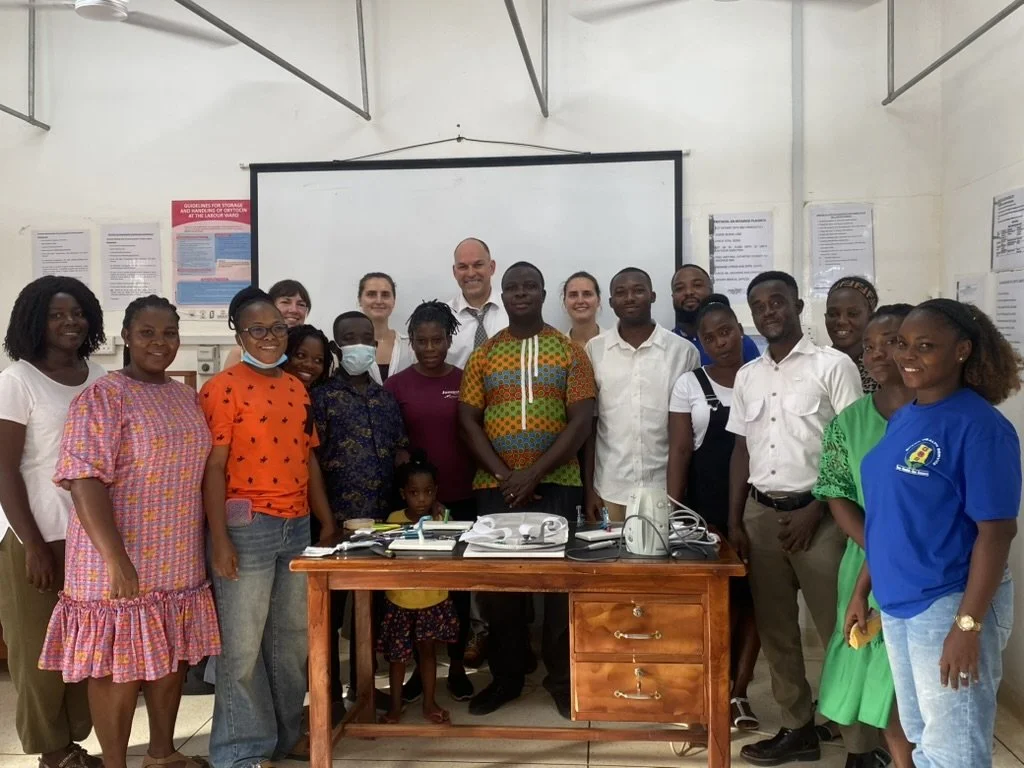
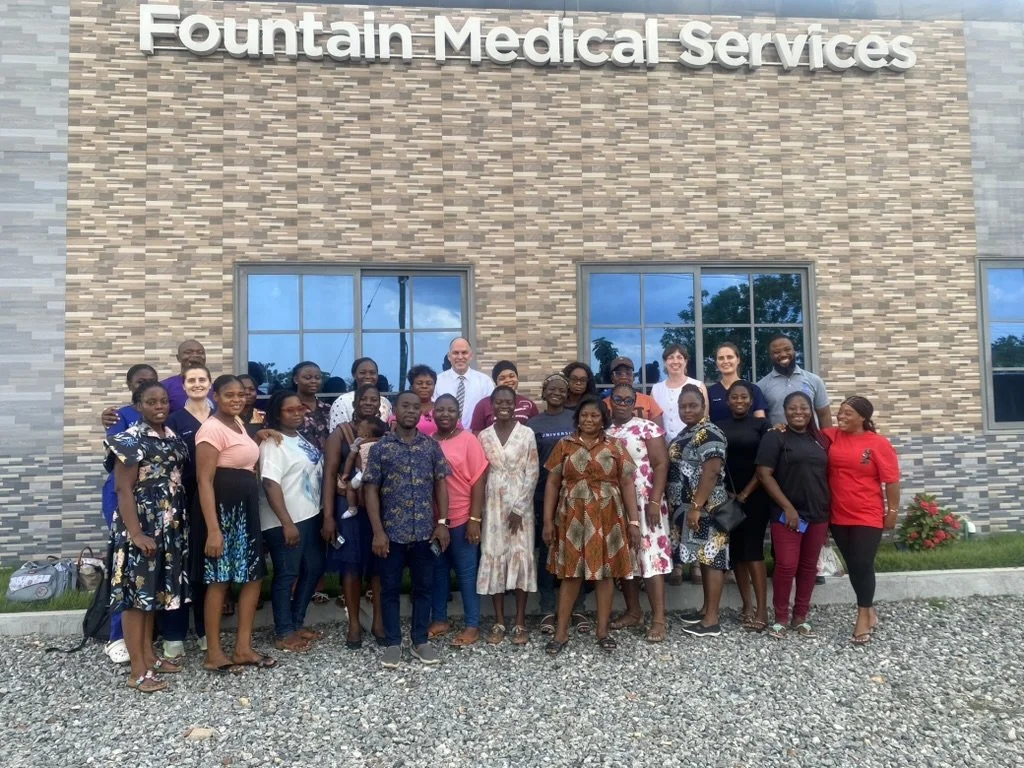
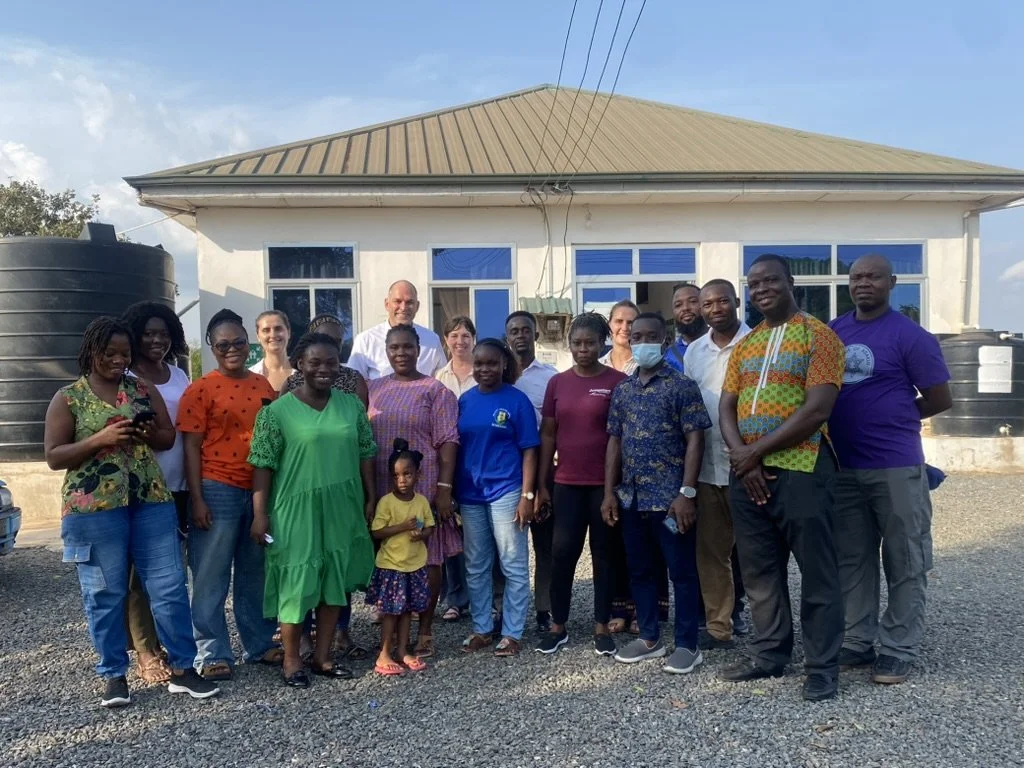
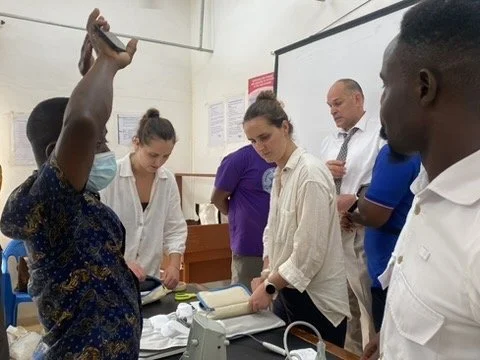
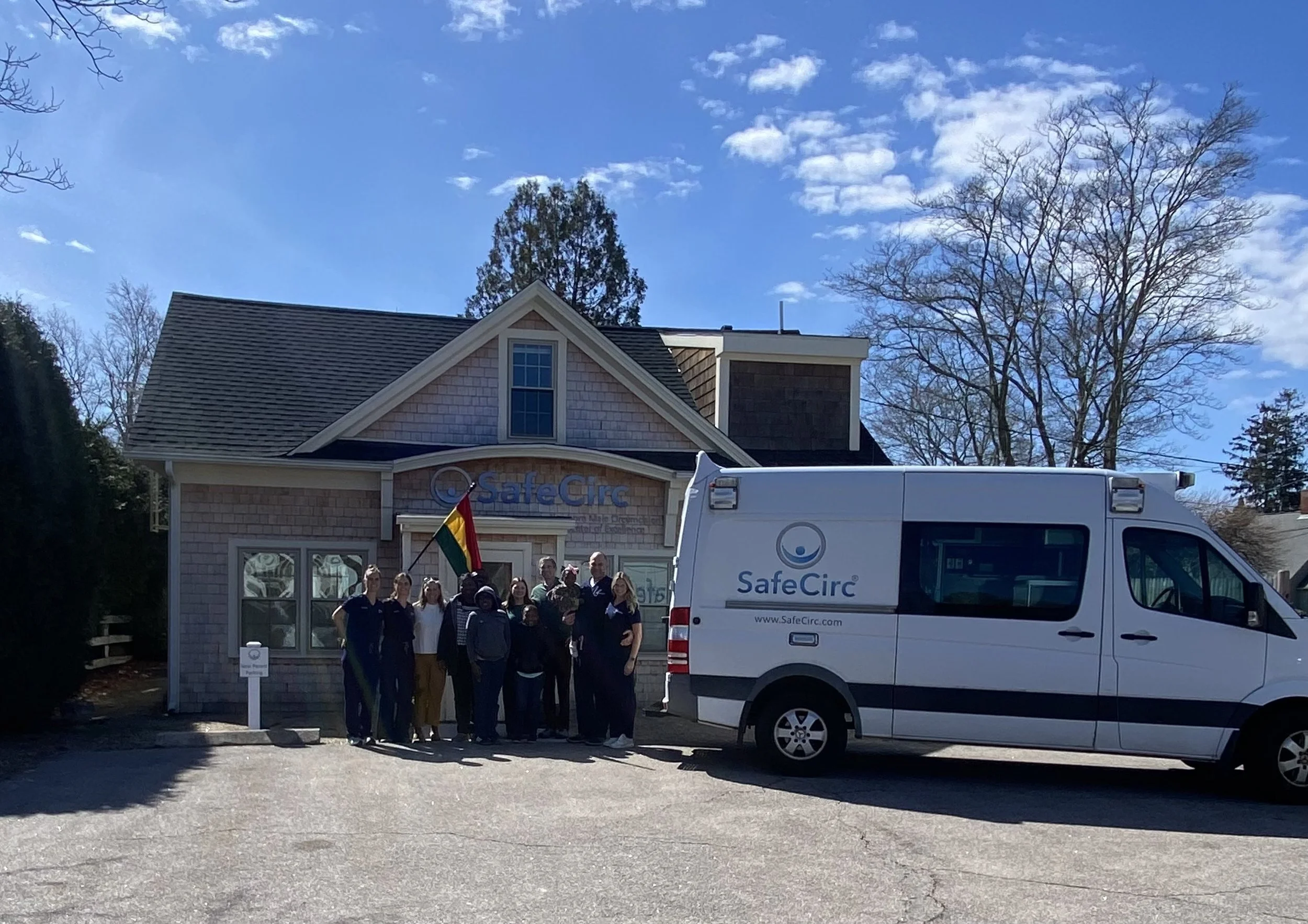
Our current focus is Ghana, where newborn circumcision is most often performed by midwives, typically between 7 and 14 days of life, after families have returned home from the hospital. Early infant male circumcision has not historically been part of formal midwifery education there. Working with Ghanaian midwives and local leaders, SafeCirc® is:
developing standardized training designed to be integrated into Ghana's national midwifery curriculum;
strengthening care pathways and laying the groundwork for a Center of Excellence in Ghana;
offering care free of charge to families, made possible by the generosity of donors; and
donating a fully equipped mobile newborn care unit to partners in Ho, Ghana, to reach families in rural communities.
We work within existing care pathways, alongside the midwives, doulas, obstetricians, and pediatric providers who already care for these families.
Every newborn deserves to be protected from preventable injury, treated with effective pain management, and given the best opportunity for a safe, accurate, and predictable outcome. Expanding access to male circumcision should never mean accepting a lower standard of care for the newborn receiving it. Our goal is to help make that possible, wherever a child is born.
References
UNAIDS. Fact sheet 2025: global HIV statistics. Geneva: Joint United Nations Programme on HIV/AIDS; 2025. https://www.unaids.org/sites/default/files/2025-07/2025_Global_HIV_Factsheet_en.pdf
Auvert B, Taljaard D, Lagarde E, Sobngwi-Tambekou J, Sitta R, Puren A. Randomized, controlled intervention trial of male circumcision for reduction of HIV infection risk: the ANRS 1265 Trial. PLoS Med. 2005;2(11):e298. doi:10.1371/journal.pmed.0020298.
Bailey RC, Moses S, Parker CB, et al. Male circumcision for HIV prevention in young men in Kisumu, Kenya: a randomised controlled trial. Lancet. 2007;369(9562):643-656. doi:10.1016/S0140-6736(07)60312-2.
Gray RH, Kigozi G, Serwadda D, et al. Male circumcision for HIV prevention in men in Rakai, Uganda: a randomised trial. Lancet. 2007;369(9562):657-666. doi:10.1016/S0140-6736(07)60313-4.
World Health Organization, UNAIDS. New data on male circumcision and HIV prevention: policy and programme implications. Geneva: World Health Organization; 2007.
World Health Organization. Preventing HIV through safe voluntary medical male circumcision for adolescent boys and men in generalized HIV epidemics: recommendations and key considerations. Geneva: World Health Organization; 2020.
World Health Organization. HIV and AIDS fact sheet. Geneva: World Health Organization. https://www.who.int/news-room/fact-sheets/detail/hiv-aids
UNAIDS. 2025 global AIDS update: AIDS, crisis and the power to transform. Geneva: Joint United Nations Programme on HIV/AIDS; 2025.
GBD 2021 HIV Collaborators. Global, regional, and national burden of HIV/AIDS, 1990–2021, and forecasts to 2050, for 204 countries and territories: the Global Burden of Disease Study 2021. Lancet HIV. 2024;11(12):e807-e822. doi:10.1016/S2352-3018(24)00212-1.
World Health Organization, Jhpiego. Manual for early infant male circumcision under local anaesthesia. Geneva: World Health Organization; 2010.
Weiss HA, Larke N, Halperin D, Schenker I. Complications of circumcision in male neonates, infants and children: a systematic review. BMC Urol. 2010;10:2. doi:10.1186/1471-2490-10-2.
Singh-Grewal D, Macdessi J, Craig J. Circumcision for the prevention of urinary tract infection in boys: a systematic review of randomised trials and observational studies. Arch Dis Child. 2005;90(8):853-858. doi:10.1136/adc.2004.049353.